 by
by Introduction: From Bitcoin to Altcoins — Why 2023 Matters
Cryptocurrency has matured. After a decade of wild experiments, 2023 is a year of consolidation, clearer regulation, and broader mainstream curiosity. New entrants, institutional interest, and innovations beyond simple payments make this moment pivotal.
What Is Cryptocurrency? A Clear, Simple Definition
At its core, cryptocurrency is digital money that runs without a central authority. It relies on cryptography to secure transfers and to manage how new units are created. Think of it as programmable value on the internet.
The Origins: Bitcoin’s Story and the 2009 Breakthrough
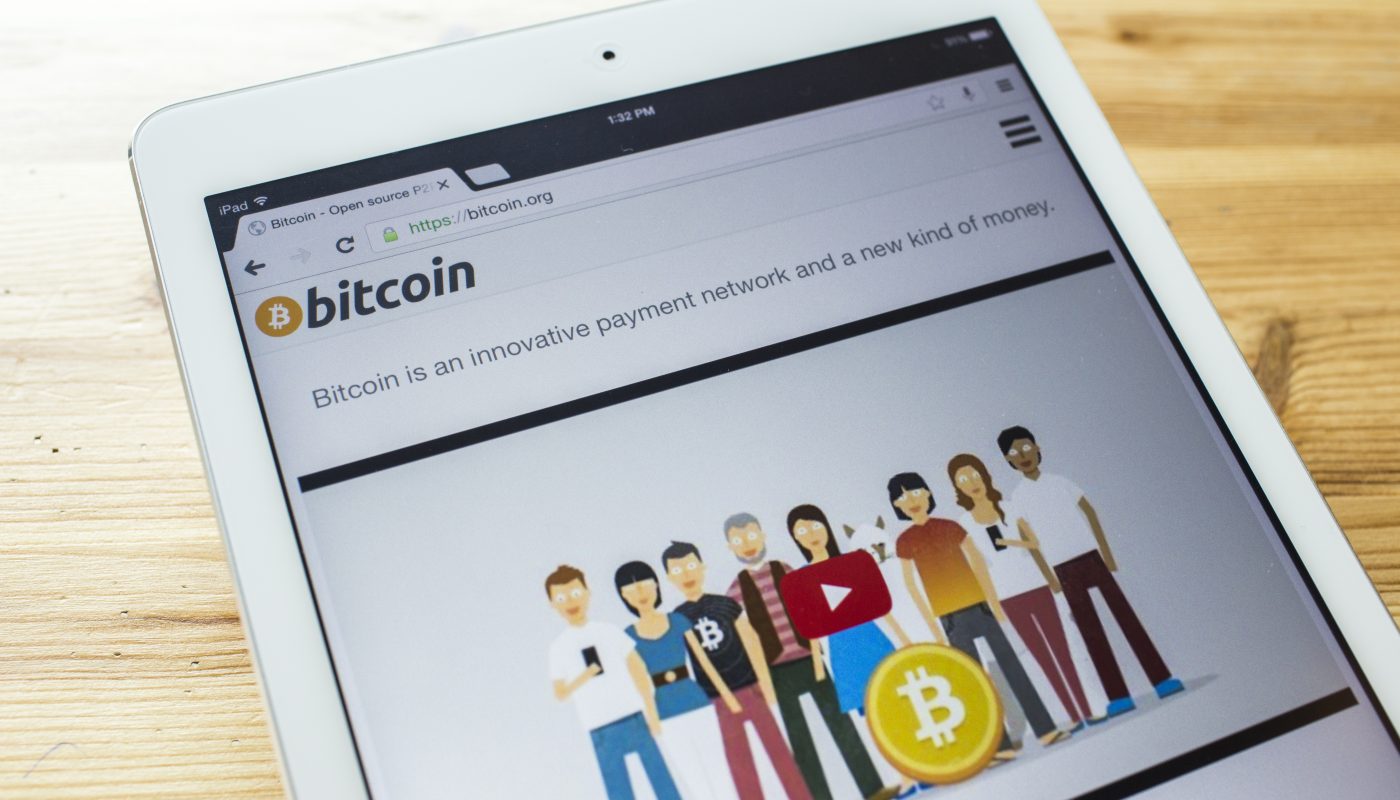
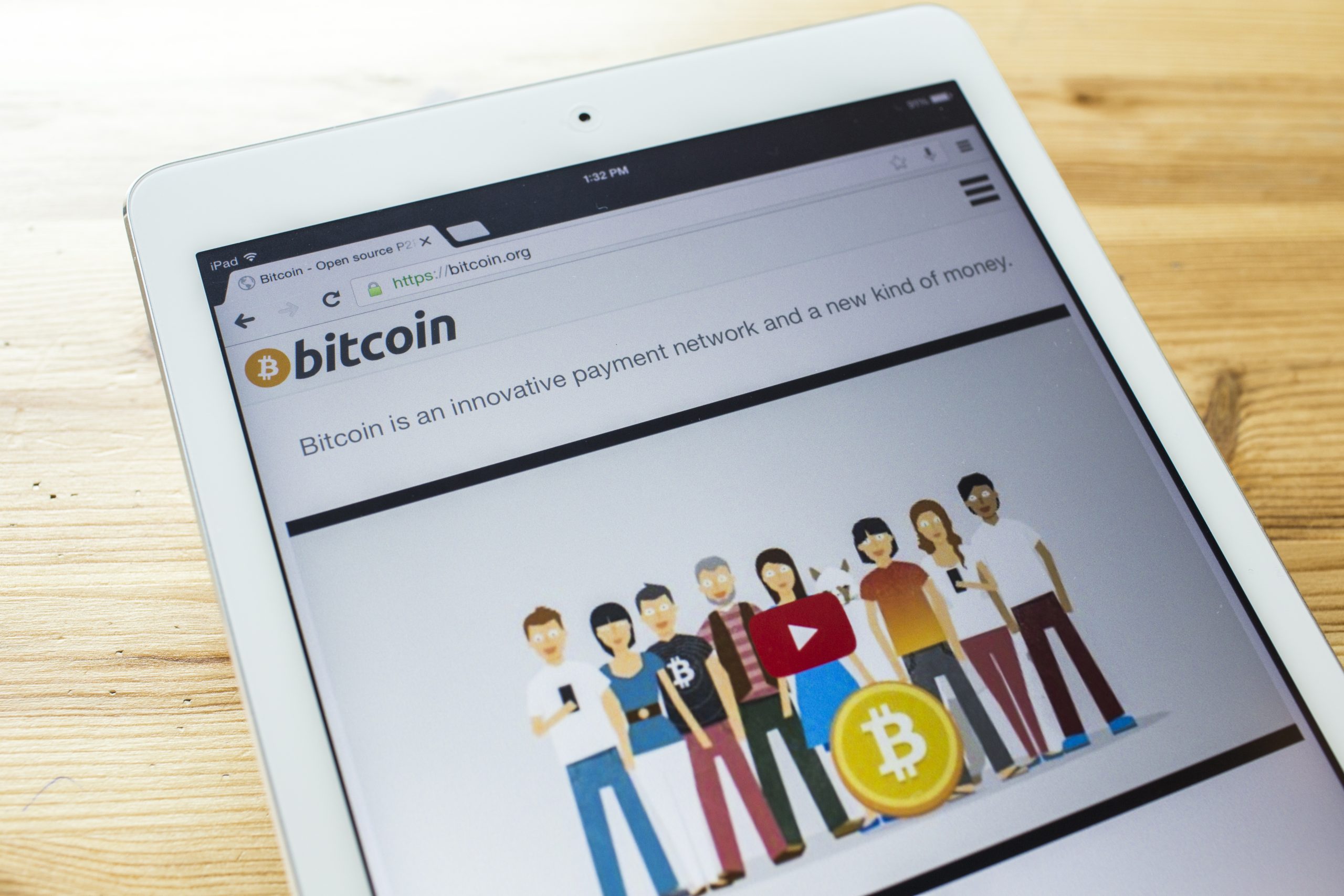
Bitcoin arrived in 2009, introduced by the pseudonymous Satoshi Nakamoto. It solved a long-standing problem: how to prevent double-spending without a trusted intermediary. That breakthrough set the template for thousands of follow-on projects.
How Blockchain Works: The Technology Under the Hood
Blockchains are distributed ledgers. Transactions are grouped into blocks, linked cryptographically, and stored across many nodes. This decentralization makes tampering expensive and creates an auditable history of every transaction.
Cryptography & Consensus: How Transactions Are Secured
Public-key cryptography lets owners prove control of funds, while consensus algorithms (like Proof of Work or Proof of Stake) ensure the network agrees on the ledger state. Together they safeguard integrity and trustlessness.
Mining, Staking, and Token Creation: How New Coins Appear
Mining (e.g., Bitcoin) uses computational work to add blocks and earn new coins. Staking (common in many altcoins) locks tokens to validate blocks and receive rewards. Token creation can also occur through ICOs, airdrops, or protocol governance.
Bitcoin vs. Altcoins: Key Differences and Examples
Bitcoin aims to be digital gold: scarce and secure. Altcoins like Ethereum, Solana, and Cardano pursue other goals—smart contracts, speed, lower fees, or different governance models. Each trade-off affects security, decentralization, and utility.
Tokens, Smart Contracts, and Programmable Money
Smart contracts—self-executing code on blockchains—enable tokens that represent assets, rights, or access. This “programmable money” powers decentralized apps and automated financial services.
Wallets, Keys, and Custody: Safely Holding Crypto
Your private key equals access. Hardware wallets, software wallets, and custodial services offer varying security and convenience. Best practice: back up keys, use hardware for large holdings, and understand custody risks.
Exchanges and On‑Ramps: Buying, Selling, and Trading
Centralized exchanges simplify fiat on-ramps, while decentralized exchanges trade directly from wallets. Fees, liquidity, and regulatory compliance differ—choose carefully.
DeFi, NFTs, and the Expanding Web3 Ecosystem
Decentralized Finance (DeFi) offers lending, yield, and trading without banks. NFTs turn digital items into verifiable ownership. Together they expand what “money” and ownership can look like online.
Real‑World Use Cases: Payments, Remittances, and More
Crypto can lower remittance costs, enable micropayments, and provide financial access for the unbanked. Practical adoption varies by region and infrastructure.
Risks, Scams, and Market Volatility: What to Watch For
High volatility, rug pulls, phishing, and flawed code are real dangers. Due diligence, skepticism, and security hygiene are essential.
Regulation and Legal Developments in 2023
Regulators are clarifying rules around securities, taxation, and consumer protections. Expect more compliance but also clearer pathways for mainstream players.
Environmental Impact and Energy Efficiency Solutions
Proof-of-Work faces scrutiny for energy use. Solutions include Proof-of-Stake, layer-2 scaling, and green mining initiatives.
Investment Strategies and Practical Due Diligence
Diversify, set time horizons, and research teams, technology, and token economics. Never invest more than you can afford to lose.
Institutional Adoption and Mainstream Integration
Banks, pension funds, and corporations are increasingly experimenting with custody, tokenization, and crypto services—signaling growing legitimacy.
Common Myths and Misconceptions Debunked
Crypto isn’t anonymous by default, nor is it only for criminals. It’s technology—useful or risky depending on design and behavior.
Glossary: Key Terms Every Beginner Should Know
Bitcoin, blockchain, wallet, private key, smart contract, DeFi, NFT, proof-of-stake—learn these to navigate conversations.
Resources, Tools, and Further Reading
Follow reputable exchanges, developer docs, audit reports, and community forums. Start small and verify sources.
Conclusion: The Future of Cryptocurrency — Where Do We Go Next
Cryptocurrency in 2023 is a crossroads: innovation meeting regulation and real-world testing. Whether it reshapes finance or becomes a niche tool depends on technology, policy, and how responsibly we build.

